

Environmental Education Through Art in Myrtle Beach, SC
At PasQuali Paints, environmental education through art is not an add-on. It is the foundation of everything we do. Rooted in the South Carolina coast, we believe that creating something meaningful from reclaimed and repurposed materials is one of the most honest ways to teach people of all ages why conservation matters. When neighbors gather to make art from what others would discard, the lesson about waste, habitat, and community lands in a way no textbook ever could.
Sustainable Creativity Education, Myrtle Beach, SC
Learning by Making: The Case for Eco-Friendly Art Practices
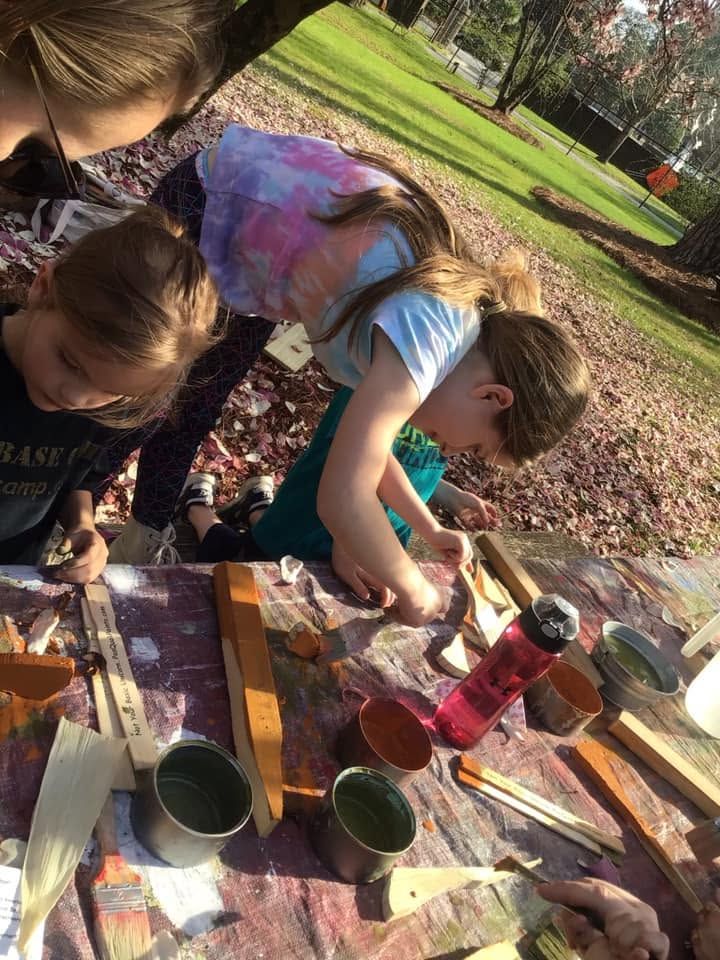
Traditional environmental education often asks people to sit, listen, and absorb. PasQuali Paints takes a different approach. Our sustainability education model is participation-first, meaning the learning happens in the act of creation itself. Participants pick up a discarded item and ask one simple question: "What else could this become?" That question is the entry point into a genuine conversation about creative reuse, waste reduction, and the value of what most people throw away. By working with reclaimed and repurposed materials, participants experience eco-friendly art practices firsthand rather than hearing about them from a distance. The result is an understanding of environmental stewardship that feels personal, approachable, and lasting.
Green Art Techniques Along the Grand Strand
Why Coastal Communities Need Environmental Awareness Through Making
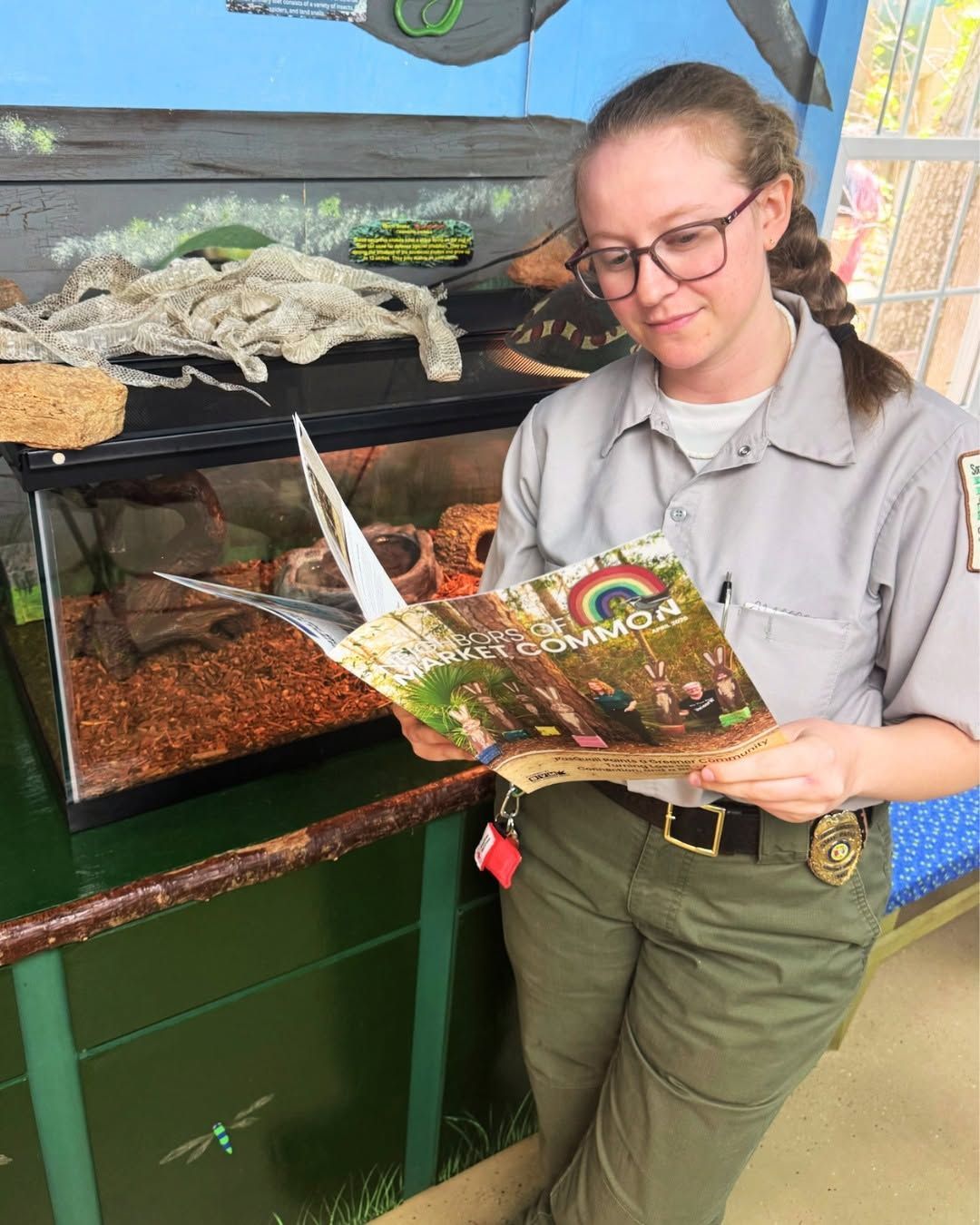
Living along the South Carolina coast means sharing space with sea turtles, fragile waterways, and ecosystems that are genuinely at risk. For residents of Myrtle Beach, Pawleys Island, Surfside Beach, North Myrtle Beach, Murrells Inlet, and Georgetown, environmental awareness through making carries a weight that inland communities may not feel as immediately. When art is created from materials that would otherwise enter those waterways or wash onto those beaches, the connection between creativity and conservation becomes impossible to ignore. PasQuali Paints has built a long-standing relationship with South Carolina State Parks, using these public spaces as gathering points where green art techniques and habitat education meet. Every project is an opportunity to protect the coastal home we share.
Our Educational Philosophy
Sustainable Creativity Education Grounded in Story and Purpose
The brand's guiding principle is simple: "If it's not greener, I'm not interested." That commitment shapes every educational experience PasQuali Paints offers. Founder Anthony Marra built this platform from shared creative moments with his granddaughters, and the Luna Moth, a symbol representing his youngest granddaughter Salem, carries the brand's educational mission forward. Salem's story and the connection to the Cure Mito Foundation give our sustainability work a human weight that purely academic conservation programs rarely achieve. Participants are not just learning about reclaimed materials; they are contributing to a legacy of hope and environmental accountability. Sustainable creativity education, at its best, is about more than technique. It is about understanding that every creative act can either harm or heal the world around us.
Who This Is For
Families, Schools, Nonprofits, and Conservation-Minded Organizations
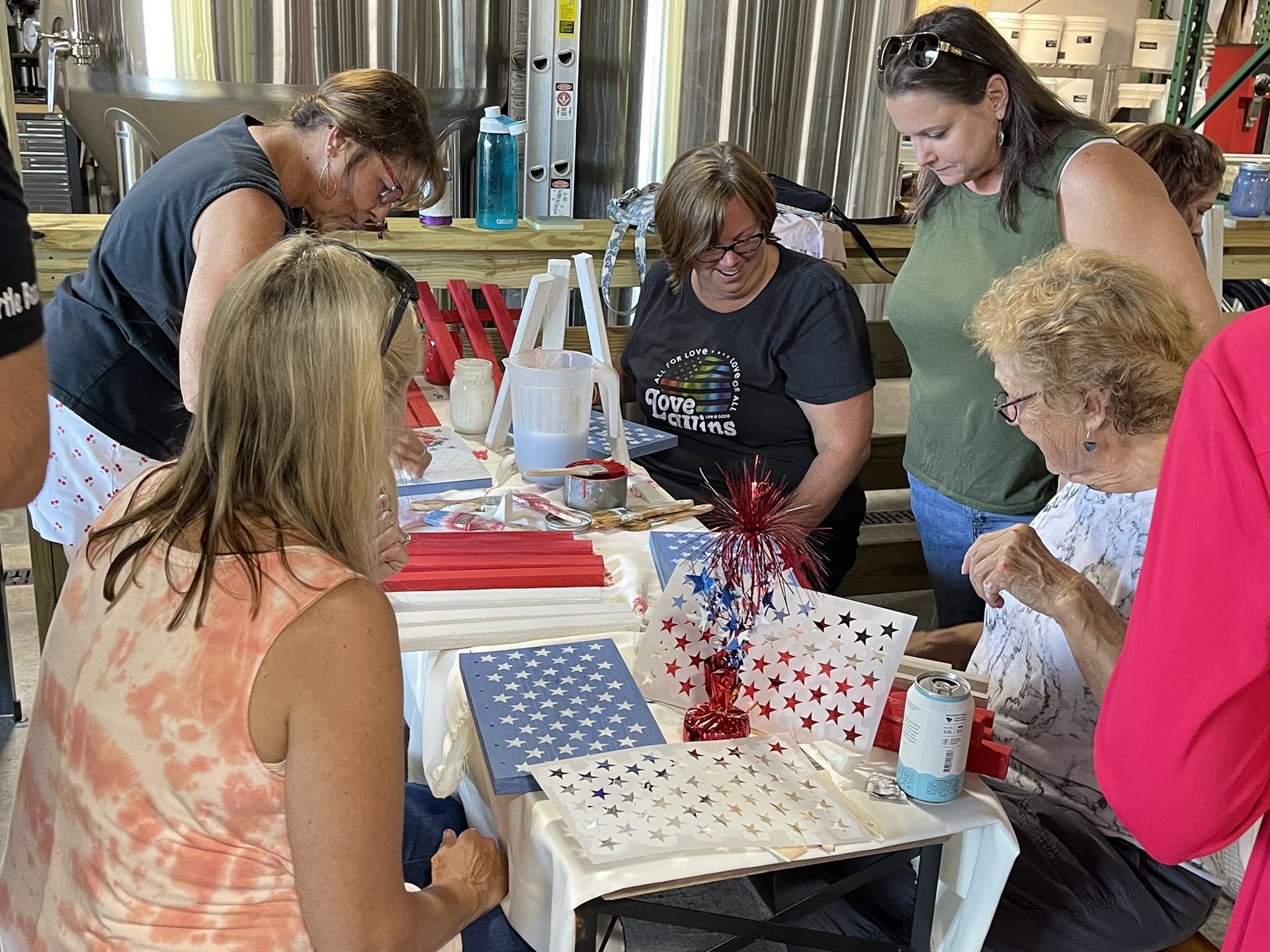
PasQuali Paints' sustainability education programming is built for a wide range of participants. Families looking for multi-generational activities that carry real meaning will find that working with reclaimed materials opens conversations between grandparents, parents, and children in ways that ordinary crafts simply do not. Nonprofits and community organizations can incorporate our participation-led model into fundraisers and awareness events, using the creative process to tell their story. Publishers and park systems have found in PasQuali Paints a content and experience provider that makes conservation interactive rather than academic. South Carolina State Parks have served as a long-standing partner in this work, giving the educational programs a credible, community-rooted home. Whatever your group's size or purpose, the core experience remains the same: gather, create from what others discarded, and leave with a deeper connection to the place you call home.
Common Questions
What People Ask About Sustainability Education at PasQuali Paints
What does a sustainability education session at PasQuali Paints actually look like?
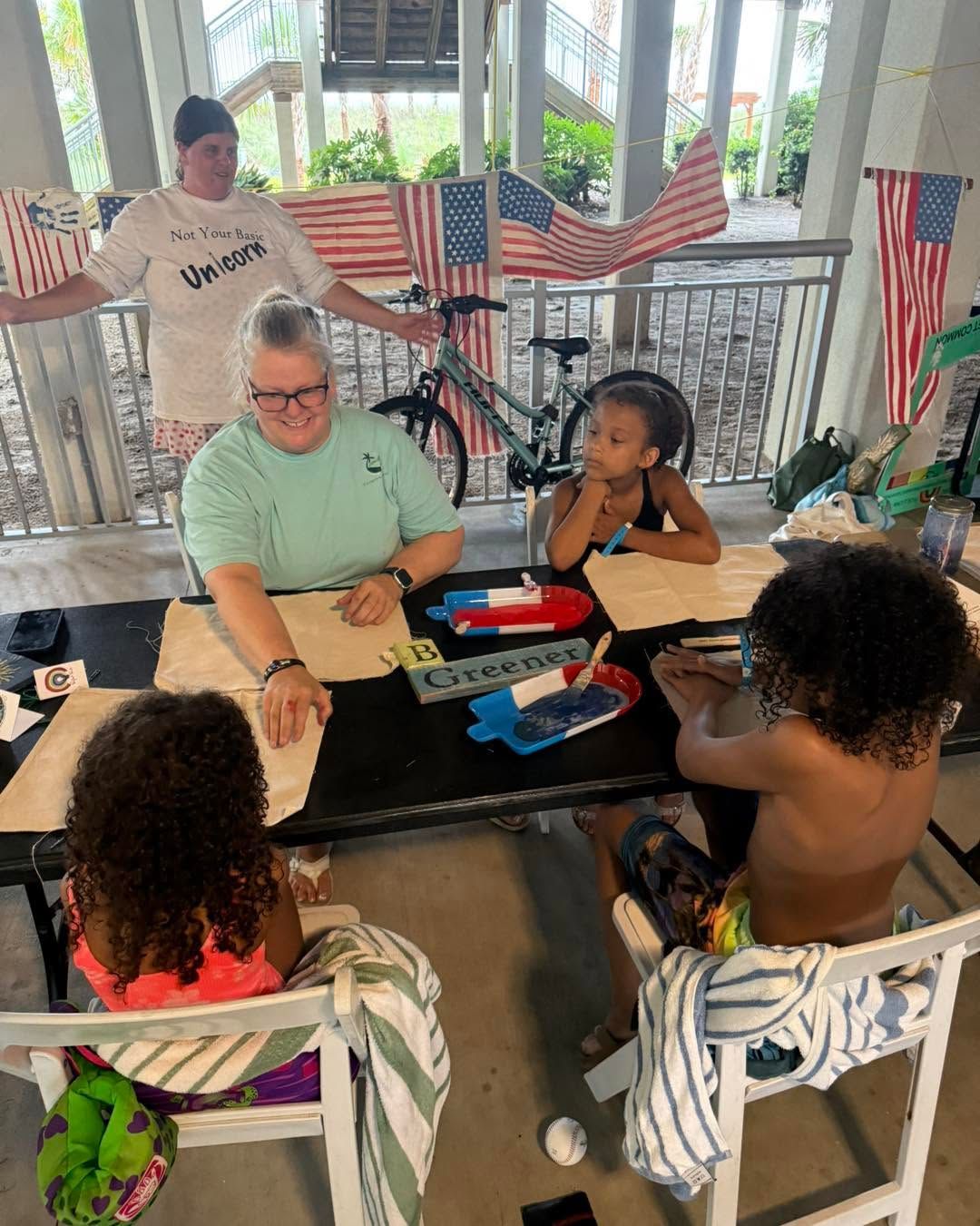
Sessions are built around the question, "What else could this become?" Participants work with reclaimed and repurposed materials rather than purchasing new supplies. The act of transforming something discarded into something meaningful is itself the lesson. Groups gather, create together, and walk away with a firsthand understanding of creative reuse and waste reduction. The experience is designed to feel approachable and engaging rather than academic, making it suitable for families, community organizations, and corporate groups alike. PasQuali Paints has delivered this model through South Carolina State Parks and community events across the Grand Strand.
Is this programming appropriate for children, or is it geared toward adults?
The programming is genuinely multi-generational. The participation-first model is designed so that grandparents, parents, and children can sit side by side and engage meaningfully with the same creative process. Younger participants connect with the hands-on, imaginative aspects of working with reclaimed materials, while older participants tend to engage more deeply with the conservation and legacy dimensions of the work. The brand was founded on shared creative moments between founder Anthony Marra and his granddaughters, so multi-generational participation is built into the DNA of every educational experience PasQuali Paints offers.
How does PasQuali Paints connect its work to the South Carolina coast specifically?
The coastal setting is central to the mission, not just a backdrop. The fragility of local ecosystems, including sea turtles, waterways, and coastal habitats in areas like Myrtle Beach, Pawleys Island, Murrells Inlet, and Georgetown, makes the sustainability message urgent and locally relevant. PasQuali Paints maintains a long-standing relationship with South Carolina State Parks, using these public spaces as venues for art-based conservation education. When participants create from materials that might otherwise enter those ecosystems, the connection between their creative choices and the health of their coastal home becomes immediate and personal.
Can nonprofits or community organizations incorporate this education model into their events?
Yes. The participation-led model is well suited to fundraisers, awareness events, and community gatherings organized by nonprofits and neighborhood groups. PasQuali Paints can build sustainability education experiences around a specific cause, local history, or organizational story. The creative process becomes a vehicle for sharing that story with participants, making the event both educational and memorable. Most meaningful projects begin with a consultation to align the project's goals, participant volume, and purpose with the brand's mission, ensuring the experience is genuinely relevant to the organization rather than a generic craft activity.
What is the connection between the Luna Moth symbol and the brand's educational mission?
The Luna Moth is a primary symbol representing Salem, founder Anthony Marra's youngest granddaughter. Salem's story is directly tied to the brand's educational mission and its ongoing influence. PasQuali Paints raises awareness for mitochondrial disease and the Cure Mito Foundation through its work, and the Luna Moth serves as a reminder that the educational programs carry a human legacy, not just an environmental one. By weaving Salem's story into the sustainability education work, PasQuali Paints gives participants a reason to care that goes beyond statistics or science, connecting conservation to real lives and real loss transformed into hope.
Do participants need any prior art experience to take part in a session?
No prior art experience is needed. The model is designed to be accessible to anyone, regardless of artistic background. The value of the experience lies in the participation and the shared story created during the process, not in the technical quality of the finished piece. PasQuali Paints describes its approach as "participation-first," meaning the act of gathering, asking questions about discarded materials, and creating together is the point. The brand's philosophy holds that every individual carries creative potential, described in the brand's language as "unicorn magic inside," and the sessions are structured to bring that out rather than to teach formal technique.
How does PasQuali Paints work with South Carolina State Parks on conservation education?
PasQuali Paints has a long-standing relationship with South Carolina State Parks, using these public spaces as hubs for sustainable art projects that bridge conservation and community engagement. The parks provide a natural setting that reinforces the environmental message, placing participants directly within the coastal ecosystems the education is designed to protect. This partnership positions PasQuali Paints as a content and experience provider for park systems that want conservation education to feel interactive and community-driven rather than purely informational. Specific curricula and formal certification details are not publicly listed, but the park-based work is a confirmed and established part of the brand's educational footprint.
What kinds of materials are used in sessions, and how are they chosen?
All materials used by Pasquale Paints are reclaimed, repurposed, or discarded items, in keeping with the brand's strict commitment to thoughtful use and reuse. The guiding mandate, "If it's not greener, I'm not interested," applies to every material selection decision. The brand describes its materials as eco-conscious, though specific chemical compositions or formal material certifications are not publicly detailed. The emphasis is on giving new life to items that would otherwise contribute to waste, which is itself the educational point: participants see firsthand how everyday discarded objects can become meaningful, community-building art.
Community Voices
What Participants Are Saying
Have you tried PasQuali Paints? We’d love your thoughts! Your review can inspire others to join our creative journey with reclaimed materials. Share how our studio connected you to nature and creativity!